
Home » How Technology Is Shaping the Future of Education in Nepal
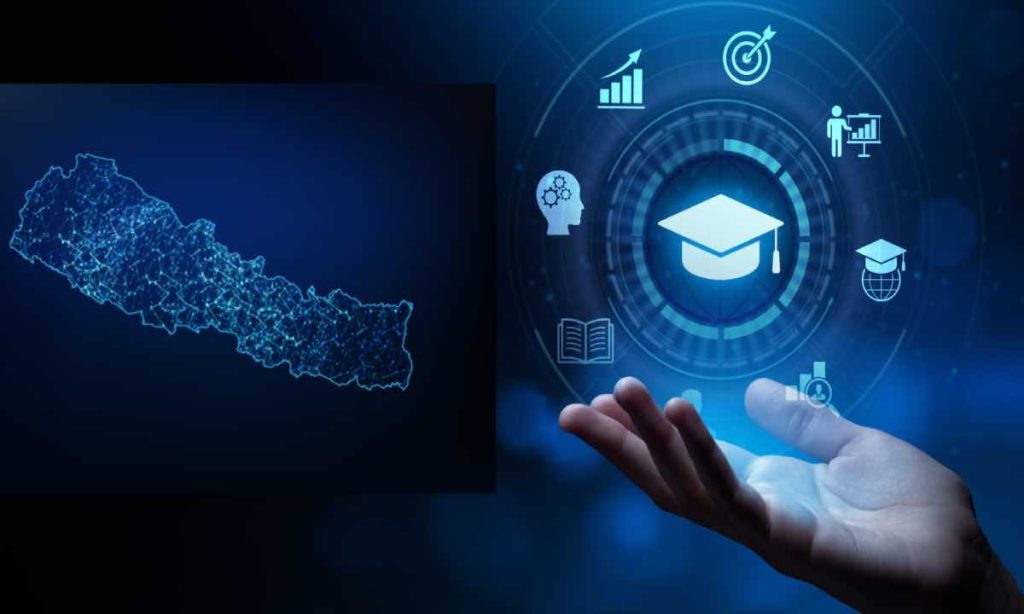
Technology has become a powerful catalyst in transforming education worldwide, and Nepal is no exception. From digital classrooms to online learning platforms, modern technology is reshaping how students learn, teachers teach, and educational institutions operate.
The rise of e-learning platforms, virtual classrooms, and educational apps has made quality education more accessible in Nepal.
Online Courses: Students can access international and local courses without leaving home.
Interactive Learning: Multimedia tools, simulations, and videos make lessons more engaging.
Flexible Schedules: Students can learn at their own pace, making education more adaptable to individual needs.
Laptops, tablets, and smartphones are now essential tools for students and teachers alike.
Tablets & Laptops: Enable note-taking, research, and access to digital textbooks.
Educational Apps: Apps like Khan Academy, Duolingo, and Quizlet enhance learning outside the classroom.
Connectivity: Improved internet access allows real-time collaboration and remote learning opportunities.
Artificial Intelligence is making education more personalized than ever:
Adaptive Learning Software: AI analyzes student performance and tailors content to individual strengths and weaknesses.
Intelligent Tutoring Systems: Provide real-time feedback and suggestions to improve learning outcomes.
Predictive Analytics: Help educators identify students at risk and intervene early.
VR and AR are transforming traditional learning into immersive experiences:
Virtual Labs: Students can conduct experiments safely in a virtual environment.
Historical and Geographical Exploration: AR apps bring subjects like history and geography to life.
Practical Training: Fields like medicine, engineering, and architecture benefit from realistic simulations.
Increased Accessibility: Rural students gain access to high-quality resources and teachers.
Enhanced Engagement: Multimedia tools make learning interactive and fun.
Skill Development: Technology encourages critical thinking, creativity, and digital literacy.
Global Exposure: Students can participate in online competitions, webinars, and international collaborations.
While technology brings many benefits, challenges remain:
Internet Connectivity: Expanding broadband infrastructure is crucial.
Device Availability: Affordable laptops and tablets are needed for all students.
Training Teachers: Educators must be trained to integrate technology effectively into the classroom.
Technology is steadily shaping the future of education in Nepal, bridging gaps, enhancing learning experiences, and preparing students for a digitally-driven world. By embracing digital tools, AI, and immersive technologies, Nepal’s education system can foster innovation, inclusivity, and lifelong learning.
At Susamarpan, we support education with a range of reliable laptops, tablets, and smart devices suitable for students, teachers, and professionals—backed by local warranty and expert guidance across Nepal.
Gaming is no longer just a hobby—it’s a serious form of entertainment and competition. Whether you’re a casual gamer or a professional eSports enthusiast, having the right equipment can drastically enhance your performance, comfort, and overall gaming experience. Here’s a guide to the essential gaming gear every gamer should consider. 1. High-Performance Gaming PC or […]
In today’s fast-paced world, electronics have become an integral part of our daily lives—from work and study to entertainment and fitness. Choosing the right devices that align with your lifestyle can save you money, boost productivity, and enhance your overall experience. Here’s a guide to help you make smart decisions when buying electronics. 1. Identify […]
Artificial Intelligence (AI) is no longer a futuristic concept—it’s becoming an integral part of our daily lives, transforming the way we interact with electronic devices at home, work, and on the go. From smart assistants to adaptive appliances, AI is making technology smarter, more efficient, and more user-friendly than ever before. 1. AI in Smartphones […]
Building your own custom PC is an exciting way to get exactly the performance you want, whether for gaming, work, or creative tasks. In Nepal, assembling a PC gives you the flexibility to choose components that fit your budget, needs, and style, while also ensuring easier future upgrades. This guide will walk you through the […]