
Home » The Rise of AI in Everyday Electronics
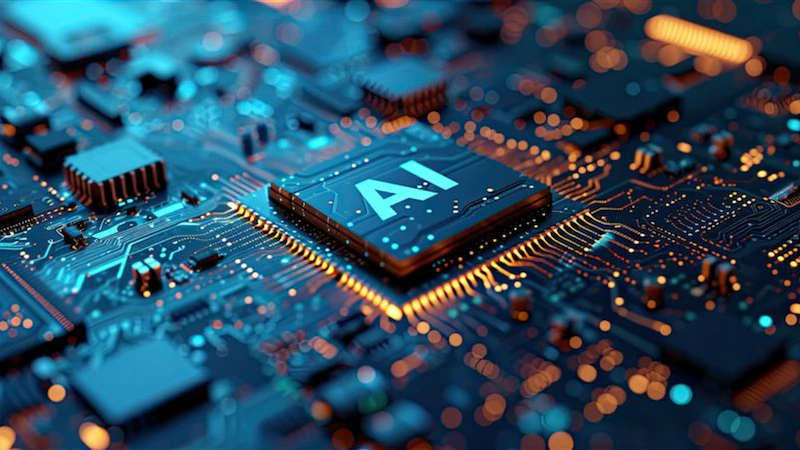
Artificial Intelligence (AI) is no longer a futuristic concept—it’s becoming an integral part of our daily lives, transforming the way we interact with electronic devices at home, work, and on the go. From smart assistants to adaptive appliances, AI is making technology smarter, more efficient, and more user-friendly than ever before.
Smartphones are among the most common devices using AI today:
Smart Assistants: Google Assistant, Siri, and Alexa help with tasks, reminders, and voice commands.
Camera Enhancements: AI improves photography with scene detection, low-light optimization, and facial recognition.
Health Monitoring: Smartwatches and fitness trackers analyze heart rate, sleep patterns, and activity levels using AI algorithms.
AI is revolutionizing how we manage our homes:
Smart Speakers & Hubs: Control lights, appliances, and security systems using voice commands.
Thermostats & Energy Management: AI learns your schedule to optimize energy consumption and reduce electricity bills.
Home Security: AI-powered cameras detect unusual activities and send real-time alerts to your phone.
Personalized Recommendations: AI algorithms suggest software, content, and apps based on user behavior.
Performance Optimization: Modern laptops and PCs use AI for thermal management, battery optimization, and performance tuning.
Gaming: AI-powered graphics and adaptive gameplay make gaming experiences more immersive and responsive.
Smart Refrigerators: Track food inventory, suggest recipes, and monitor expiration dates.
AI-Enabled Washing Machines: Adjust water usage, detergent, and cycle time for optimal cleaning.
Robotic Vacuums: Map your home, plan efficient cleaning paths, and avoid obstacles autonomously.
Convenience: Automates tasks and reduces manual effort.
Efficiency: Optimizes performance and energy use.
Personalization: Adapts to individual preferences for a tailored user experience.
Enhanced Security: Provides smarter detection and monitoring in devices like cameras and locks.
AI integration is expected to grow further, with innovations like:
Voice-controlled smart ecosystems connecting multiple devices seamlessly.
AI-powered health devices offering advanced diagnostics at home.
Fully autonomous home and office environments enhancing productivity and comfort.
The rise of AI in everyday electronics is reshaping how we live, work, and play. From making our devices smarter to improving efficiency and personalization, AI is not just a trend—it’s the backbone of the future of technology.
Gaming is no longer just a hobby—it’s a serious form of entertainment and competition. Whether you’re a casual gamer or a professional eSports enthusiast, having the right equipment can drastically enhance your performance, comfort, and overall gaming experience. Here’s a guide to the essential gaming gear every gamer should consider. 1. High-Performance Gaming PC or […]
In today’s fast-paced world, electronics have become an integral part of our daily lives—from work and study to entertainment and fitness. Choosing the right devices that align with your lifestyle can save you money, boost productivity, and enhance your overall experience. Here’s a guide to help you make smart decisions when buying electronics. 1. Identify […]
Technology has become a powerful catalyst in transforming education worldwide, and Nepal is no exception. From digital classrooms to online learning platforms, modern technology is reshaping how students learn, teachers teach, and educational institutions operate. 1. Digital Classrooms and Online Learning The rise of e-learning platforms, virtual classrooms, and educational apps has made quality education […]
Building your own custom PC is an exciting way to get exactly the performance you want, whether for gaming, work, or creative tasks. In Nepal, assembling a PC gives you the flexibility to choose components that fit your budget, needs, and style, while also ensuring easier future upgrades. This guide will walk you through the […]